
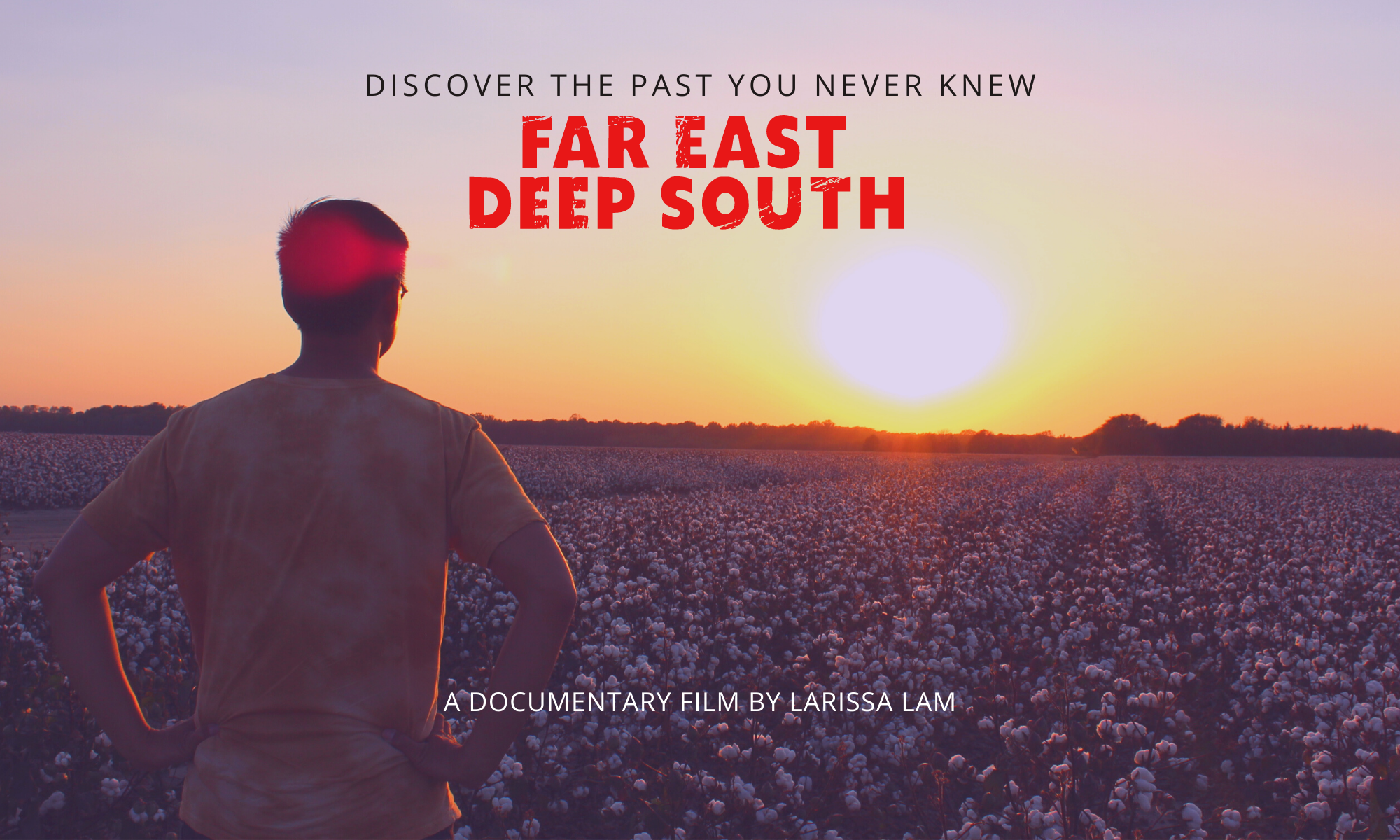
Far East Deep South tells a vital story about the weird quirks of history that placed Chinese immigrants in the Deep South and then erased that cultural moment from our collective memory. It is a movie that has grown into relevance since first viewing. I’m sitting here at the end of June in 2021 thinking back to this movie now, one of a few documentaries and films that I tried to cram into a weekday while on a strict schedule to take a humongous bite out of the Cinequest virtual film festival last fall. I remember thinking that FEDS felt a little maudlin and that its Gen X filmmakers were cringily emotional about their stereotypically taciturn father’s reunion with his hometown and their
Since then there have been a lot of discussions and dueling narratives about the role of Asians in a white supremacist society: academic discussions about “racial triangulation” from the 90s have been replaced with theories about scapegoating and model minorities. The Gabfest’s March 26, 2021 interview with Claire Jean Kim about the phenomenon of Asian-American violence is excellent as is On The Media’s coverage of Asian American Violence–And It’s Erasure from March 19th of this past year.
At its core though, the documentary is a personal narrative and its characters aren’t on a quest for self-discovery so much as a quest for the uncovering of their father’s past. Nothing is really that surprising, because he’s still alive and pretty chatty by the time they end up getting to their destination. There are a smattering of interviews with historians to describe the historical context and significance of Chinese immigrants in the Deep South during Jim Crow, but the scope of the documentary limits it to the experience of a single man and his family, rather than an examination of a social or cultural period, which might have yielded more visually and sonally attractive file footage and tape.
There isn’t a lot of reflection about the present day ramifications of this shared heritage or the ways in which it informs racial justice or cross cultural exchange. It’s more of a procedural, interested in its own process of uncovering information about their father’s childhood. Ultimately, it’s a little thin as a story of a single family. Maybe it would’ve been richer fare if it had featured the stories of multiple families in a variety of similar circumstances, or if it had been able to depend less on the subjective experiences of these two particular sons, who at times feel like they’re trying to set up emotional moments in their narrative rather than letting them flow naturally from the storytelling.


