
It took James Cameron 13 years to plagiarize the plot of one beloved young adult book series and the cinematography of Wakanda Forever, which is to say, either he spent the first twelve and a half of those years spitballing failed ideas before discovering Tamora Pierce or he had never once considered the fact that the audience who went to see the groundbreaking 3D, motion capture spectacle of his first film might have changed in its tastes, sensibilities, and politics in the intervening time. Much has been written about the cringe nature of having Kate Winslet and Sam Worthington hoot, holler, and ululate alongside a race-blind cast of blue Na’vi. I don’t have much to add except for the exquisite weirdness of seeing Kate Winslet stick out her tongue in displeasure takes me back to the days of witnessing the discovery of a local football team’s pregame warm up dance by the rest of the country, and the way that fetishcization of Pacific Island culture for Western masculinist culture felt so uncomfortable, even while so many other aspects of Pacific Island masculinity were mocked and criticized as effeminate and/or obscene.
But that’s what we do, right? We pick and choose the things that we like and ignore the things that don’t fit into our preferred vision of what the world should look like. It’s why James Cameron can feel so bold about depicting pregnant Na’vi hunters while also prompting the question, why is everyone in Pandora so straight? There are so many aspects of representation and racial tropes that one could find themselves mired in while discussing this movie, that it seems more useful to just assume that we’ve all turned our brains off for three hours about the oddities of such a big budget franchise assuming no development around concepts of colonization, presenting no self-critique, and doubling down on a lot of the stereotypes that were maybe forgiven back in a time when not every video game had the same quality as Cameron’s SFX. Today there are fewer excuses.
Avatar: Way of the Water takes the original (batshit) plot of Company-Wants-to-Extract-Nondescript-Natural-Resource-So-It-Invents-Cloning/Mind Control-Technology by adding (spoiler) the ostensibly brilliant complication of Humanity-Has-Ruined-Earth-and-Needs-A-New-Planet, but this movie is not actually about that, because if it were, it would have to pit the native Na’vi against the remaining survivors of climate catastrophe, a band of innocent women and children who have no where else to go, two equally sympathetic sets of stories which necessitate coexistence or genocide. That plot would require some delicacy. Instead, this movie is more about rehashing the literal final battle scene from the first movie, but spread over a couple hours, with the character development of several youngsters to set up future films. And weirdly, talking whales?
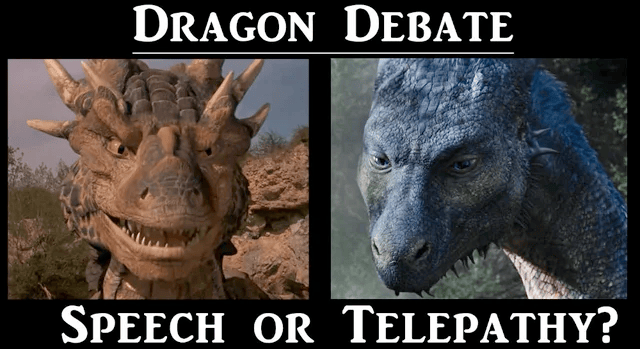
The uncanniness of experiencing full conversations in voice over, or, as is the case in WotW, subtitles–which is even more confusing because it’s unclear whether the subtitling is for the Na’vi sign language that the youngster is signing or the… whale…talking–was the first true WTF moment of this movie. The audience was palpably disturbed. Friends and I leaned out of our lounge chairs to confirm that we had all just shared the same moment. I whispered to Friend about how she was going to have to explain this deeply disturbing moment to her husband when he got back from the bathroom (the first bathroom break he had taken in a movie in the entirety of 2022). “I was on board for everything until this moment,” she said to me, or everyone in the theater, unclear, because at this moment it was obvious that everyone was reassessing their motives for having come to see the movie.
Paolini’s Eragon was supposed to be a morality tale in the hubris of allowing a spoiled child publish without edit his unadulterated thoughts and feelings through the prism of fantasy. But Cameron took both of these notes presumably and then doubled down hard on talking whales. The use of telepathy as communication between rider and beast was widely described as clumsy and stupid (and I have my own preferences for why it doesn’t work). The problem is that James Cameron didn’t invent the concept of talking whales. What’s worse is he didn’t invent the concept of hyper intelligent talking whales who’ve taken a vow of pacifism which leads to an outcast. For that, you’d have to go to the author Tamora Pierce.
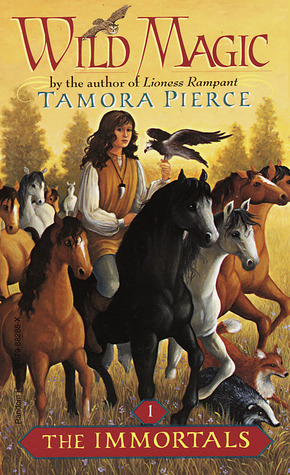
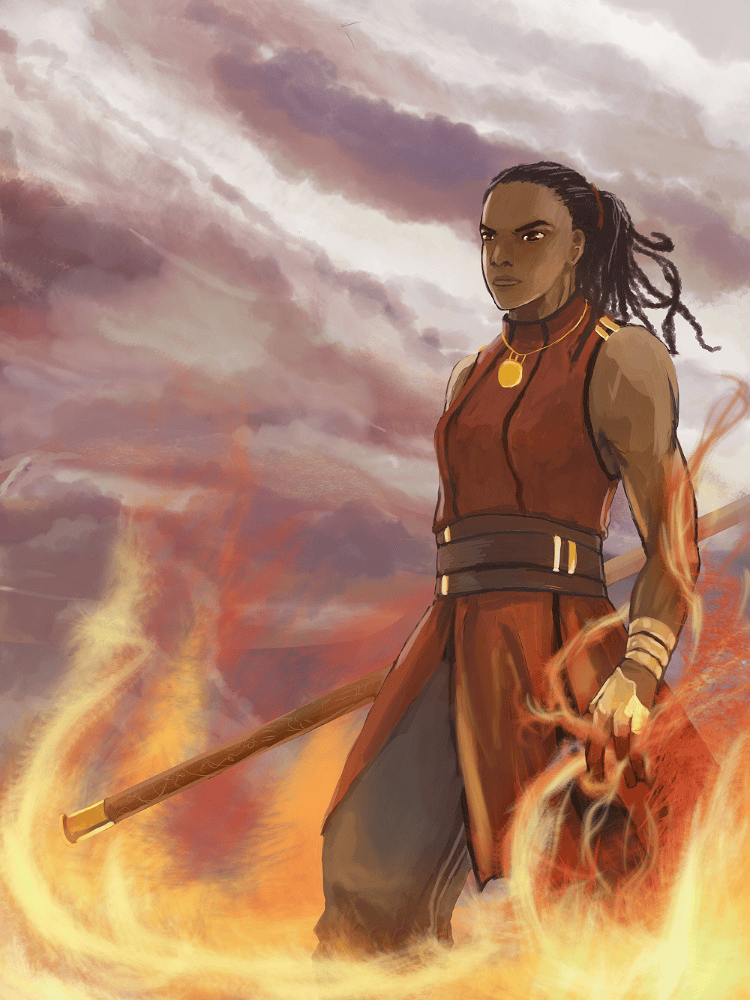
Daja Kisubo (right) is marked as unlucky after a tragic event kills the rest of her people through no fault of her own and she fights the stigma of her misfortune throughout her story, and in yet ANOTHER Tamora Pierce book series whales are featured with the gift of speech and internal politics that prevent them from attacking ships, I am told by Tamora Pierce fan, Wife.
The reasons why the whales are being hunted in the first place actually seem fairly plot important for future sequels. Their brain juice can stop aging, which leads to the natural question, why aren’t the Na’vi, literally any of them, abusing this resource for their own nefarious purposes, like any number of examples from Native American history in which the natives adopt the strategies and tools of their sometime colonial allies sometime enemies in order to gain the upper hand in local disputes. Also, who is already using this in order to stall their deaths back on Earth? Is this the way that we are going to keep actors permanently on the payroll for the franchise? And if so, how do we combat the fact that each movie seems destined to span decades of production before release?
The movie is so ungainly in terms of leaving out plot mysteries that it hardly takes time to justify some of the most basic points of the plot. Forget trying to explain Sigourney Weaver’s epileptic fits, OR her obscure paternity, OR her ability to control nature itself (just to name one single characters litany of untied plot threads): why do the soldiers from Earth go undercover as Na’vi? We’re told by a disgruntled Eddie Falco (who, like Germaine Clement, seems to have accepted their roles so long ago that they literally don’t remember filming) that Pandora seems to have a “natural immune response” to incursionary forces LIKE THEIR HELICOPTERS, helpfully explained with a film clip of a bunch of blue pterodactyls tearing apart a ship after something like twenty minutes in airspace, so the blue skin is supposed to help them slip under the radar. Yet even before they’ve touched down, many of the Na’vi-garbed-marines have tattooed their bodies with English words and pop culture insignia. So much for undercover? They’ve taken the time to learn enough Na’vi to sound “like a baby,” we’re told, so instead they use a teenage POW to do all of their essential interrogating. The purpose of the skinsuits is no longer, as in the first movie, to infiltrate and gain the trust of the native populations. It’s more of a cosplay? They learn to ride those dragon things, but they aren’t going to have enough time to montage training with bows and arrows, so the (far more effective) guns they use will do just fine. And that immune response? It conveniently doesn’t affect the 90% of Pandora’s surface covered in water, which would make it a lot harder for the whaling ships to do what they do if it did, I suppose.
As if this weren’t bad enough, the script itself seems oddly idiosyncratic. “This movie could’ve shaved 40 minutes by just eliminating the word ‘bruh,'” Friend whispered to me after it became clear that the “bruhs” weren’t going to let up even in the most serious of scenes. The plot constantly requires the same children become damseled for the purposes of drawing Jake Sully and Neytiri into rescuing them. One of his daughters actually comments on it at one point, saying, “I can’t believe I got captured again!” Neither can we!
All in all, this movie was an irritating experience that, as one Friend told me after, “happened to me,” capturing that nonconsensual feeling of having your anticipated sci-fi epic turn into yet another white-washed/Savior fantasy fulfillment that really narrows the focus on eco-activism to an unsophisticated and unnuanced story of colonial oppression. Even that money line, “Our family is our fortress,” loses some of its magic when put into the context of the “Sully family meeting,” an artifact from his white, Western upbringing, not a Na’vi tradition of family intimacy. The film is filled with these awkward blindspots of racial awareness. Offered as moments of supposed emotional sincerity, the weird hand-wringing over their blended family’s biracial and adopted origins is an artifact, much like the movie as a whole, of a dumber and less diverse set of narratives about identity and belonging.


