
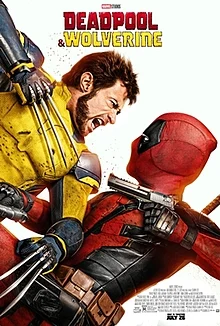
D&W isn’t so much a “movie” as it is a collection of cameos and metatheatrical commentary on the state of the Deadpool franchise. Every action sequence and fight scene is preceded by a quip about how the fight scene is about to happen and quite a bit of the plot doesn’t make very much sense, but it’s been six years since the last Deadpool, so can we really blame this particular movie franchise for being a little… light? Which is not to say any of this is bad! As far as multiverse Marvel movies go, this has got to be at the top of the pile (or at least close to the very top, Marvels looking at you): it has decades-old callbacks to superhero franchises heretofore lost to the dustbin of cinematic history and finds ways to make them fresh and relevant and autobiographical. I’ll ruin everything with spoilers here, but in some ways it feels like D&W is meant more as a rehabilitation vehicle for C-list actors’ careers that stalled out back in the late 90s and early aughts. The script wavers between being entirely to the 4th wall and only mostly to the 4th wall: Wolverine is often referred to almost exclusively as “Hugh,” “Peanut,” or “The Wolverine,” most of the time that the script veers into adult content warnings, it’s commented upon by our protagonist.
The villain duo in the film is a fun mix of corporate baddie at the TVA that’s very politely flagged as a “MacGuffin” at its very first introduction and then Charles Xavier’s twin who dies in utero in the multiverse and rules the Dustbin of Comic Book Ideas with an iron fist. Actually, the amount of work she does with her fingers in this movie is kind of fantastic. They find a way for her to stroke faces so creepy and also sensual, which works so well as the impressive standalone sexualized physical humor (absent a few choicely placed phallic wounds) in the entire movie.
As mentioned previously, most of the movie is pin drops and fight scenes in slow motion, which means that you don’t have to try too hard to follow why so many used-to-be-famous people (and a hilarious Channing Tatum) wanted to risk and sacrifice their lives in service to people they just met. Deadpool’s variants are only very thinly characterized, except for Nicepool who is absolutely wonderful and exemplifies the way in which Ryan Reynold’s beta delivery and alpha physicality work so perfectly for the “Merc with a Mouth”.


