
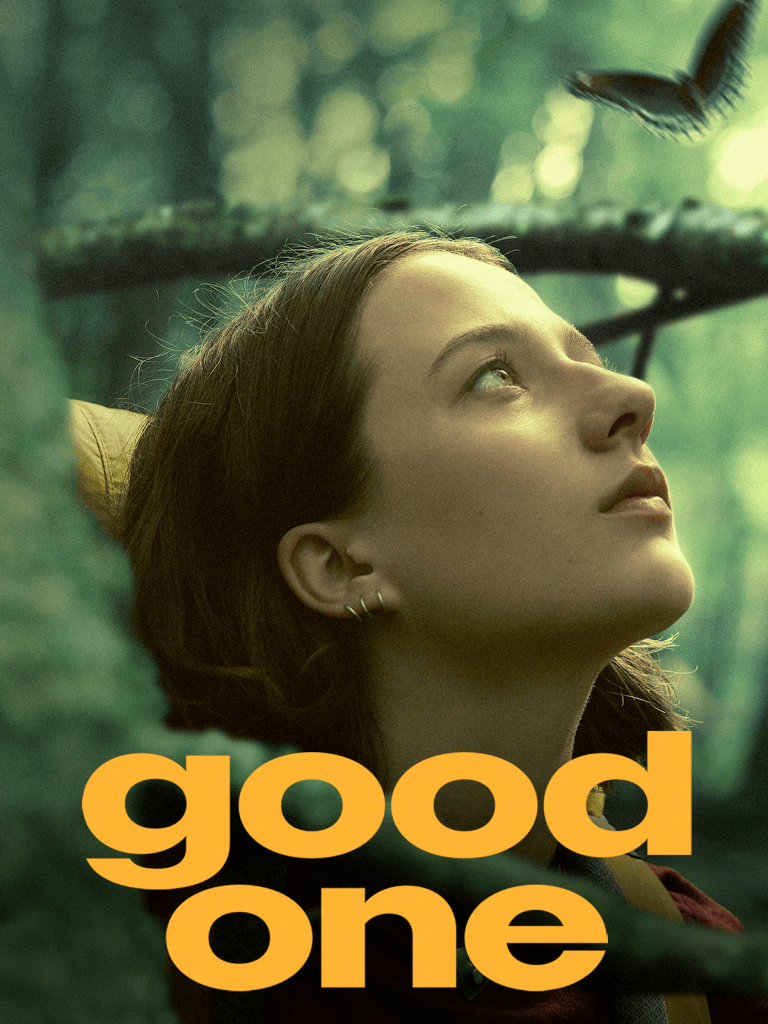
As someone who panicked, read Bill Bryson’s A Walk in the Woods, and then, despite not having camped for more than a couple nights in a row in my life before then, decided to through hike the first third of the Appalachian Trail in my early twenties, I have a pretty good sense of the terrain of this movie. I’ve met the sort of people who take off for a long weekend to hike long sections of trail, who return to old haunts or, as is the case with the family in this film, find new “good ones,” as part of a yearly ritual. There are a lot of ways in which the film obviously fits in a category with the rest of Variety’s 10 most overlooked films of 2024: its pacing is a lot slower than most movies; this is writer and director India Donaldson’s feature debut; and newcomer Lily Collias’s debut performance. One can see how a film about a queer teenage girl hiking in the woods might avoid comfortable categorization, because it is so unlike the discourse we often find ourselves when talking about young women in high school in movies. Sam (Lily Collias) is capable and experienced both as a hiker and also at managing the prickly, caustic egos of her dad and uncle while they take the weekend in the Catskills. The scene mentioned in Variety’s review that sets this movie apart from its peers is a lengthy campfire conversation at the tail end of the film, which really is about as high stakes as it gets for this otherwise cozy mushroom-gazer of a movie. It’s not so much a slow burn as it’s atmospheric, foggy alternate world where the spheres of interest and conversation are shifted to the agony of missed opportunities, frayed familial relations, and glimpses at the future through the keyhole of the present, as Jon Mooallem likes to say. It sort of feels like the American Georgics, a movie that stands out because of its fastidious attention to the details of the natural world, even as our culture finds itself steadily divorced from its connections to that space. There are a lot of elements of suspense in this movie that are set up and then just fizzle out in ways that don’t feel disappointing so much as painful and sad, moments that mark difference and the emotional gaps of gender and generation, while also leaving space for growth and resilience.


