
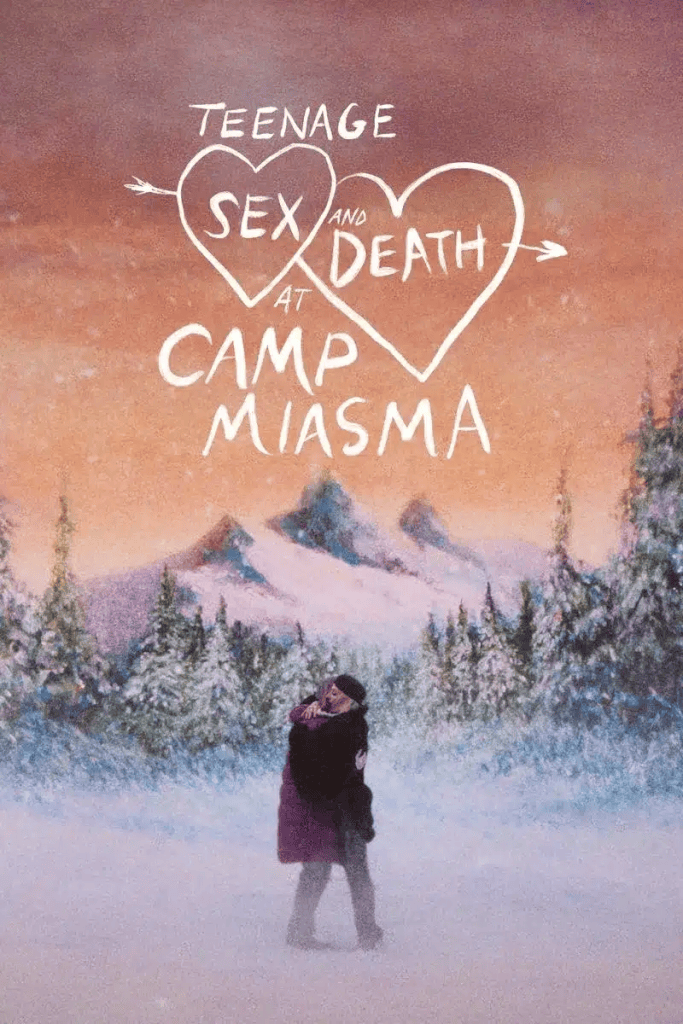
It’s hard not to talk about this movie without comparing it to director Jane Schoenbrun’s excellent debut film I Saw the TV Glow (2024), so let’s just assume you’ve seen both and move from there to describe the general emptiness that TSDACM gave me when I saw it.
I really liked I Saw the TV Glow when I saw it, as I think many people know. It was such a devastating work of love for 90s television, for tumblr culture and the investigation of fandoms, but also the way in which escapism through fandom happens for a reason and comes at a cost. It was pretty and bleak and it found ways to make queer romance feel ambiguous in its constraints and limitations–the way that the depth of feeling for another can transcend traditional boundaries but also the ways in which the confines of those boundaries was not always clear or evident until you trespassed them, usually unknowingly. Schoenbrun had a lot to say and the movie was a real creature of its time: dark, despondent, in many of the ways that Obsession and Backrooms have generated an outsized volume of think pieces about Gen Z “liminal” horror. And ISTVG was not alone in 2024 as the lone queer horror film: Cuckoo starring Hunter Schaffer found its way into theaters that same year. Both of those movies had things to say about gender and sexuality while playing with and innovating on genre tropes. Teenage Sex and Death at Camp Miasma felt so much emptier and hollowed out, drained of color by hyperaware autofiction, Charlie Kaufman-esque recursive loops that keep the movie in balance through its own absurd centrifugal energy.
Case in point, the central source of nostalgia in the movie is based on a piece of IP which doesn’t exist in our world but we get vanishingly little of its appeal beyond an opening credits sequence that establishes a sort of implied fandom and a couple of cuts of scenes. Which might work if the movie weren’t so wrapped up in the specifics of the symbolism of a movie franchise we haven’t watched, but this filmmaker Kris (Hannah Einbinder) and her muse, the final girl of the original movie Billy (Gillian Anderson), are constantly picking apart plot points and scenes that we don’t have a lot of access to.
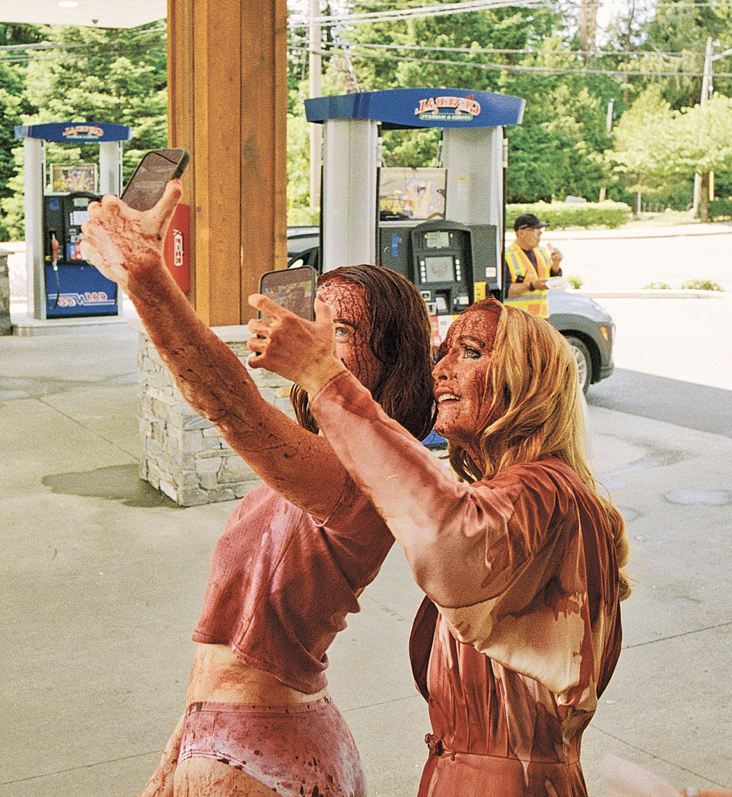
I remember thinking after I left that all my favorite scenes were the ones with Anderson and Einbinder in them and how the movie feels more like a vehicle for their creative and gonzo performances, but the rest of the movie suffers under the weight of a lot of navel-gazing and metatheatrical handwringing about what queering the canon means and to what end. In I Saw the TV Glow, by contrast, the nostalgic franchise is meticulously built out, multiple episodes and an entire arc are alluded to and then shown over many scenes in the course of the movie. Our emotional connection with the duo in that film are built through the imagistic and chaotic presentation of an identifiable Buffy dupe with elements of experimental absurdism that typified a lot of pop culture born out of the late 80s and early 90s (the quiet, seething mumblecore anti-comedy of Daria and basically anything Jon Benjamin voice acted in; the magical realism of Pete and Pete; at a time when we were fully bought into the maximalist approach to network length seasons instead of the limited-run programming of the Netflix streaming era and beyond).
In some ways, the love story feels like a flex for Schoenbrun, a way of indicating the ability to write a more traditional age gap lesbian romance than the more messy, expansive character sketch of amorphous queerness in ISTVG and in that way it does feel like a losing battle either way to say that the story is either too autofictive, trans metaphor in plain sight or too conservative and trite in its depictions of queerness, but something does feel a little less imaginative in terms of the way we describe this other stage of being queer in the world as an adult rather than arriving at an identity through subtext as in ISTVG.


