

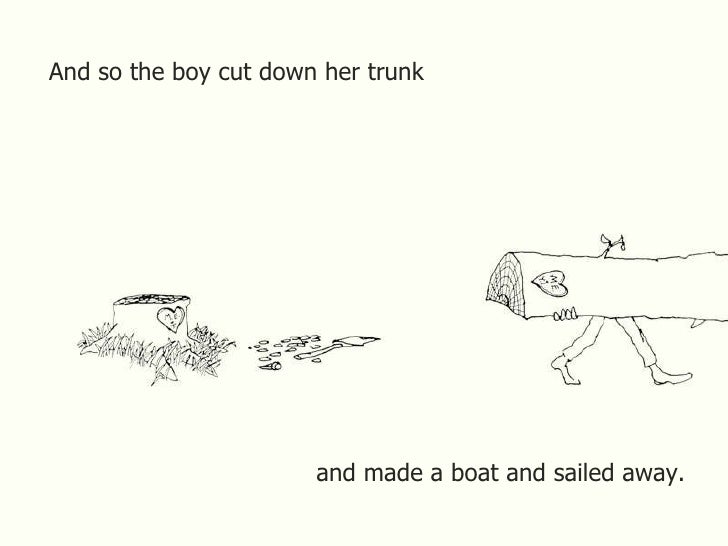
If I hadn’t been aware that Vivarium was going to have a Cuckoo story, the literal cuckoo pushing baby birds out of their nests at the beginning followed by the navel gazing scene of a girl asking why a cuckoo would do that really drove it home. Vivarium is not subtle about its imagery. One of the most distinctive things about this movie, in fact, is its blasé attitude toward the clichés of this decades’ horror films. Tom (played by an inexplicably unaccented Jesse Eisenberg) digs (spoiler) his own grave, Gemma (played by national treasure and future star of the live action adaptation of Y the Last Man, Imogen Poots) falls into the role of Giving Tree.
Writer and director Lorcan Finnegan spends a lot of his movie waxing poetic about the horrors of suburbia and gender roles, actualizing the alienation and resentment young parents feel toward their child in every interaction between Tom and It, but rarely with a point. defection in the couple is broadcast fairly early in the story, which makes for a somewhat hollow script as the two characters with the most self-knowledge cease conversing. Vivarium‘s greatest contribution to the horror genre is in its imitations. The way the Young Boy parrots the language of his caregivers in that otherworldly voice, the way that Martin’s sales pitch feels so oddly expressive and staged, and his borderline mocking impression of Gemma’s cliché response to getting pregnant are oddball moments of drama and humor.
Friend and I spent some time afterwards trying to nail down what didn’t work about the third act, and generally I think it’s worth a discussion about what structures of cuckoo stories work and which ones don’t, which might be more interesting than the movie itself. It feels like the things that we like about the composition of cuckoos, these monsters, whose power comes from their ability to shapeshift into innocent or beloved characters in our lives, is that their power extends only insofar as they are able to play convincing copies. The moment that Coraline’s Other Mother shows her button eyes, that the spider-like dream-dwelling villain of Terry Pratchett’s I Shall Wear Midnight series loosens its grip on the illusion, the protagonist is able to regain control. The story structure of a cuckoo narrative should follow something like: 1) the protagonists don’t notice the cuckoo, 2) discover a discrepancy, 3) attempt to trap/kill it, and 4) fail or succeed. In the empowering version of the story, take It Follows for instance, the children succeed. There’s still lots of room for scares and failure along the way, but the audience feels the thrill of the victim’s empowerment as they learn more about the cuckoos physical limitations. Ditto this for a story like Stephen King’s It, another classic cuckoo story.
I’m not saying that there can’t be entertaining stories where cuckoos are successful–I’d offer China Miéville’s Perdido Street Station as an example of a situation where the success of the cuckoo is how the author subverts our expectations and increases the emotional stakes of the story–but I think that the means by which the cuckoo succeeds need to be carefully considered, and maybe roughly equivalent with the ability of the victim, in order for the film to feel exciting. The discovery of how well the spider’s web is constructed is not sufficient entertainment for the fly (or the audience). Vivarium is very much about revealing a neat, little web that two unsuspecting flies have been caught in, and as a metaphor for buying in to consumerist culture, it feels, as Friend put it, like “dated critique.”
Usually, I have some recommended reading. I think that this week, I’m going to draw your attention away from the director’s reflection of his own genius in the time of quarantine.


