
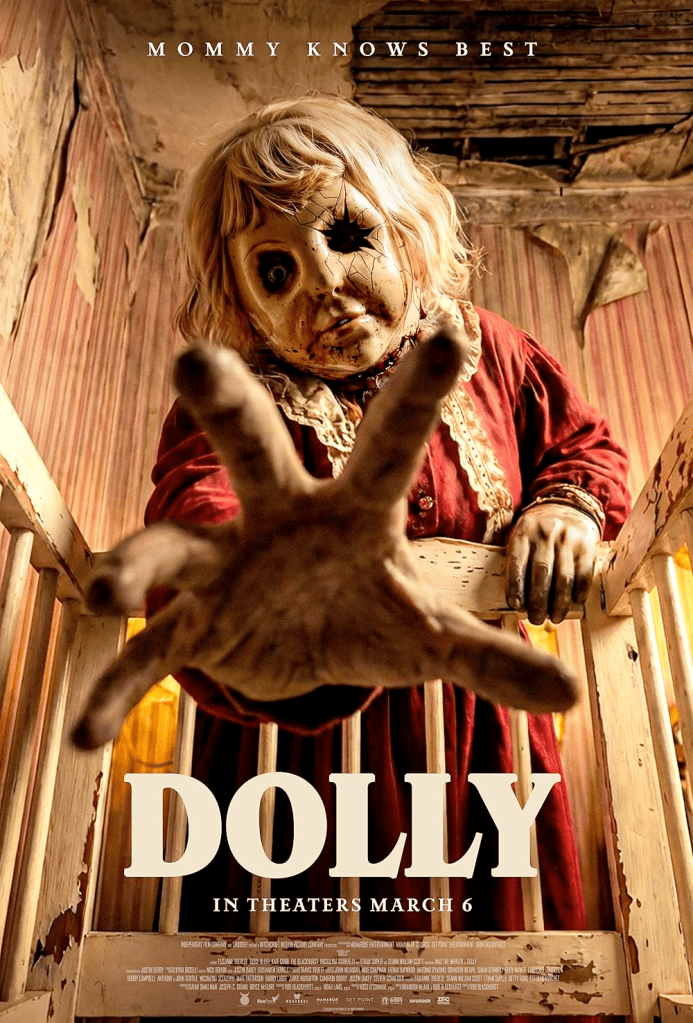
Dolly follows what appears to be a emerging trend among indie horror films of borrowing heavily from kink subcultures for the plots and scares. Unlike in Mercedes Bryce Morgan’s 2025 Bone Lake, where the director genre mashes both the steamy romance plot of two couples accidentally renting the same vacation home for the weekend and the horror tropes of a haunted house to make for a supernatural (incest?) plot akin to a bargain basement copypasta of Crimson Peaks, or in Radio Silence’s 2025 Ash, which mashes astronaut in space disaster plot with a parasitic Stockholm syndrome plot from sci-fi smut, or in Companion (2025)–one of the [many, see upcoming SoulM8te] explicit forays into robotic subgenre of literotica which even has explicit fan gif edits on tumblr–where Stepfordization and bimbofication satirize dissociative feminism, Dolly plays up nonconsensual age play as its primary form of horror-kink and mashes it with the Texas Chainsaw Massacre and Misery plots. How else to explain the way that the main character is abducted, placed into Victorian children’s clothes, force fed rotten oatmeal then spoiled milk then required to breast feed directly from the villain herself. And that’s aside from other scenes like the one where she begs for forgiveness from her captor by calling her “mommy” and cooing into her lap while the villain sews her ear back on after tearing it off in a fit of rage. Noncon kink plots seem a strong fit for horror especially as audience tastes veer toward more and more explicitly horny plots in crowd pleasers like Sydney Sweeney’s erotic thrillers like The Housemaid or basically anything directed by Emerald Fennell. Make it kinky plus noncon is a good recipe for drawing in female audiences who are not traditional demos for genre films but who in recent years have seen more widespread adoption of romantasy smut. Dolly is sort of a one-trick when it comes to its plot though. Beyond its unsettling abduction plot and kinky scares, it doesn’t have a lot going for it. The choice to make the villain, who occupies almost ever scene of the movie, mute seems like a distinctive choice, but also renders a lot of scenes half empty and a little one-sided in their conversations in ways that feel shallow and a little silly.


